Checking and maintaining your transmission fluid is just as critical as keeping an eye on your engine oil. Transmission fluid lubricates, cools, and ensures smooth operation of the gears and internal components. Neglecting this task can lead to serious problems, including transmission failure. In this article, we will explain how to check transmission fluid level, why it is important, and guide you through the process of performing a transmission fluid check on both manual and automatic cars.
Why It Is Important To Check Transmission Fluid
Your vehicle’s transmission, whether it’s automatic, manual, or a continuously variable transmission (CVT), relies on clean, properly filled transmission fluid to function correctly. This fluid lubricates internal components like gears and clutches, reduces friction, and prevents overheating. A transmission fluid check can help prevent costly repairs, extend the life of your vehicle, and keep it running smoothly.
Regularly checking your transmission fluid allows you to spot potential issues like leaks, contamination, or low fluid levels early, which is why it’s essential to know how to check the transmission fluid in your car.
JEGS Newsletter Signup
Sign up now to join the JEGS email newsletter and be the first to learn about new products,
special deals and e-mail only offers!
Thank you for signing up!
How To Check Transmission Fluid On An Automatic Car
For automatic transmission vehicles, performing a check transmission fluid task is usually straightforward. Here are the steps:
Refer to the Owner's Manual: Your vehicle’s owner’s manual will specify how and when to check transmission fluid. The procedure may vary between models, and some vehicles may have a sealed transmission that doesn't require frequent checks.
Warm Up the Engine: For accurate results, it’s recommended to warm up the transmission by driving the car for a few minutes. Once the engine has reached its normal operating temperature, park the vehicle on level ground and leave the engine running unless your manual says otherwise.
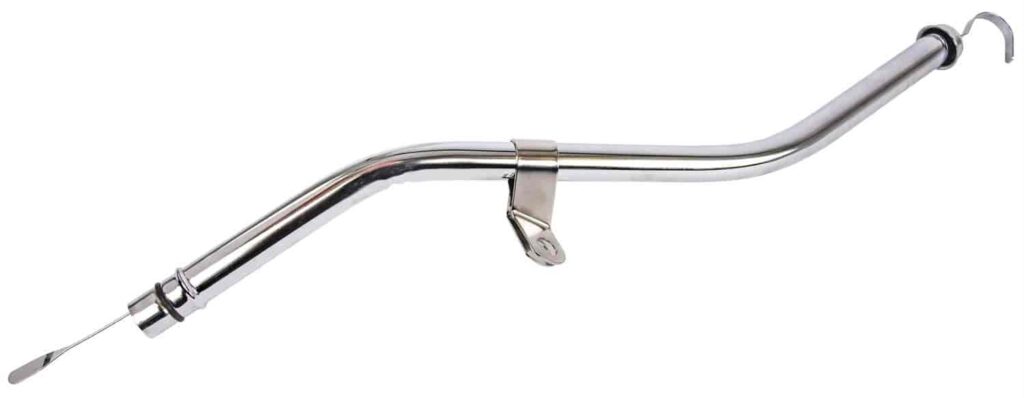
Locate the Dipstick: Under the hood, find the transmission fluid dipstick, usually marked with a specific color or label. Pull the dipstick out carefully, avoiding contact with any hot components nearby.
Wipe and Reinsert: Use a clean cloth to wipe the dipstick, then fully reinsert it back into the tube. Wait a moment and pull it out again to check the fluid level. The dipstick should have markings indicating the minimum and maximum levels.
Assess the Fluid: Check the fluid’s color and consistency. Healthy transmission fluid is usually pinkish or light red and free of particles. If the fluid is dark, burnt, or contains metal shavings, it’s time for a transmission service.
Add Fluid if Necessary: If the level is low, top up the fluid using the type recommended in your owner's manual. Be cautious not to overfill, as this can cause issues as well.
How To Check Transmission Fluid On A Manual Car
For manual transmission vehicles, checking the fluid is a bit more involved, as there is typically no dipstick:
Jack Up the Car Safely: Park on a level surface, engage the parking brake, and use proper jack stands to safely raise the vehicle. Never rely solely on a jack for support.
Locate the Filler Plug: The filler plug is typically found along the side of the transmission case. Refer to your owner’s manual for its exact location.
Perform the Transmission Fluid Check: With the correct socket, carefully remove the filler plug. Insert your finger into the hole to check the fluid level. The fluid should be close to the edge of the filler hole. If it’s low, it’s time to add more fluid.
Reinstall the Filler Plug: After checking or topping off the fluid, securely reinstall the filler plug and lower the car back down.
How To Check Transmission Fluid Without A Dipstick
Some modern vehicles don’t come with a dipstick, making a transmission fluid check slightly more complex. Here's how to check the transmission fluid level in such cases:
Refer to the Owner's Manual: Many newer vehicles have sealed transmissions. If your vehicle lacks a dipstick, consult the manual for the recommended procedure.
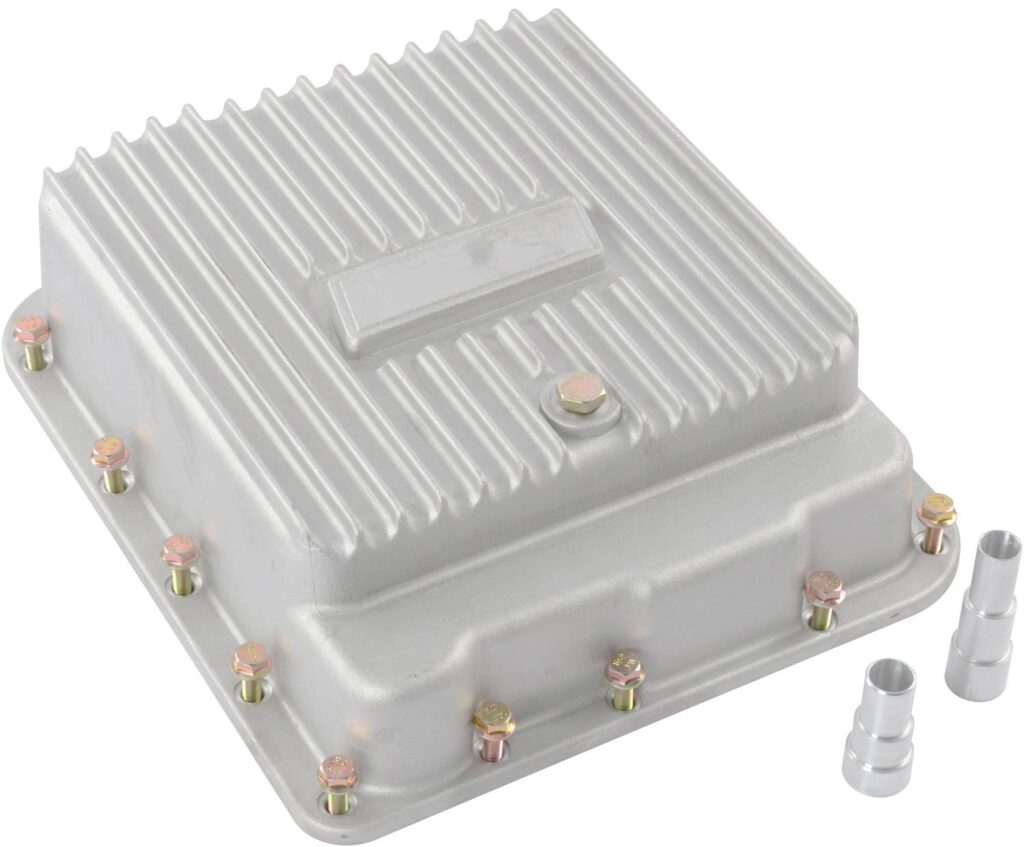
Access the Transmission Pan: In many cases, you’ll need to raise the vehicle and access the transmission pan directly to check the fluid. This may involve removing a fill plug to check the level or taking it to a mechanic for a more detailed inspection.
Check Temperature Requirements: Some transmissions without a dipstick require the vehicle to be at a specific temperature before checking the fluid, so be sure to follow the guidelines provided by your manufacturer.
Signs It’s Time To Change Your Transmission Fluid
While knowing how to check the transmission fluid is important, recognizing when it needs to be changed is equally crucial. Here are some signs it’s time to service your transmission:
Dark or Burnt Fluid: If the fluid is brown or smells burnt, it needs replacing.
Grinding or Shuddering: Strange noises during gear changes could indicate fluid issues.
Slipping Gears: Low or contaminated fluid can lead to gear slippage, where your car shifts unexpectedly.
Delayed Shifting: If there’s a hesitation when shifting gears, your transmission fluid might be low or dirty.
Knowing how to check transmission fluid can help you avoid costly transmission repairs and ensure your vehicle runs smoothly. Regular transmission fluid checks should be part of your car’s routine maintenance, whether you drive an automatic or manual. Remember to always consult your owner’s manual for specific instructions on how to check the transmission fluid level for your car.
Choose JEGS For All Your Automotive Requirements
Since 1960, JEGS has provided automotive enthusiasts with a one-stop shop for all their requirements. Our founder Jeg Coughlin was disappointed by the lack of quality performance car parts and decided to do something about it. Today, JEGS is run by the second generation of the Coughlin family and ships parts to every part of the United States as well as internationally. Backed by competitive pricing and comprehensive warranties, there’s a lot to like about JEGS.

 2 People Found This Article Helpful







Leave a Reply