


Sign up now to join the JEGS email newsletter and be the first to learn about new products, special deals and e-mail only offers!

 108 People Found This Article Helpful


Modern vehicles rely on fuel injection systems, but older cars still operate with carburetors — and for good reason. Both systems serve the same core purpose: delivering a mixture of fuel and air to the engine’s combustion chambers. However, the way they go about it is quite different.
In this article, we’ll explore how carburetors and fuel injection systems work, break down the pros and cons of each, and help you decide which setup is best for your vehicle and driving needs.
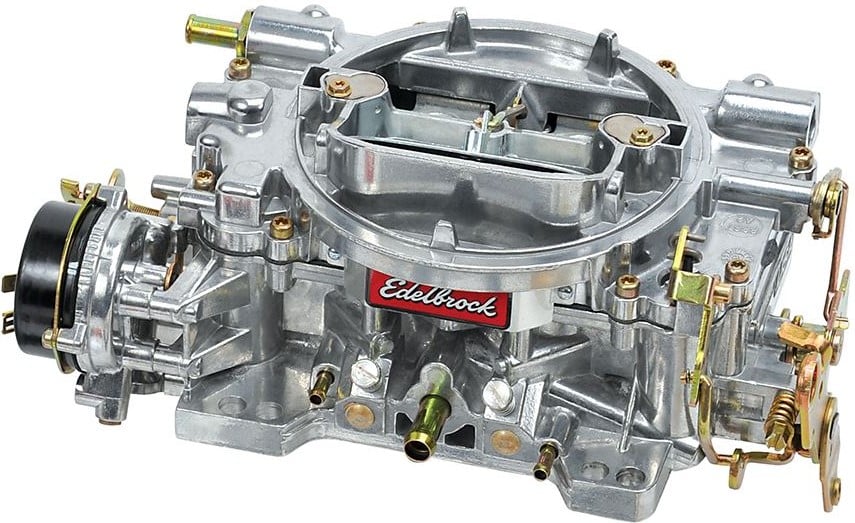
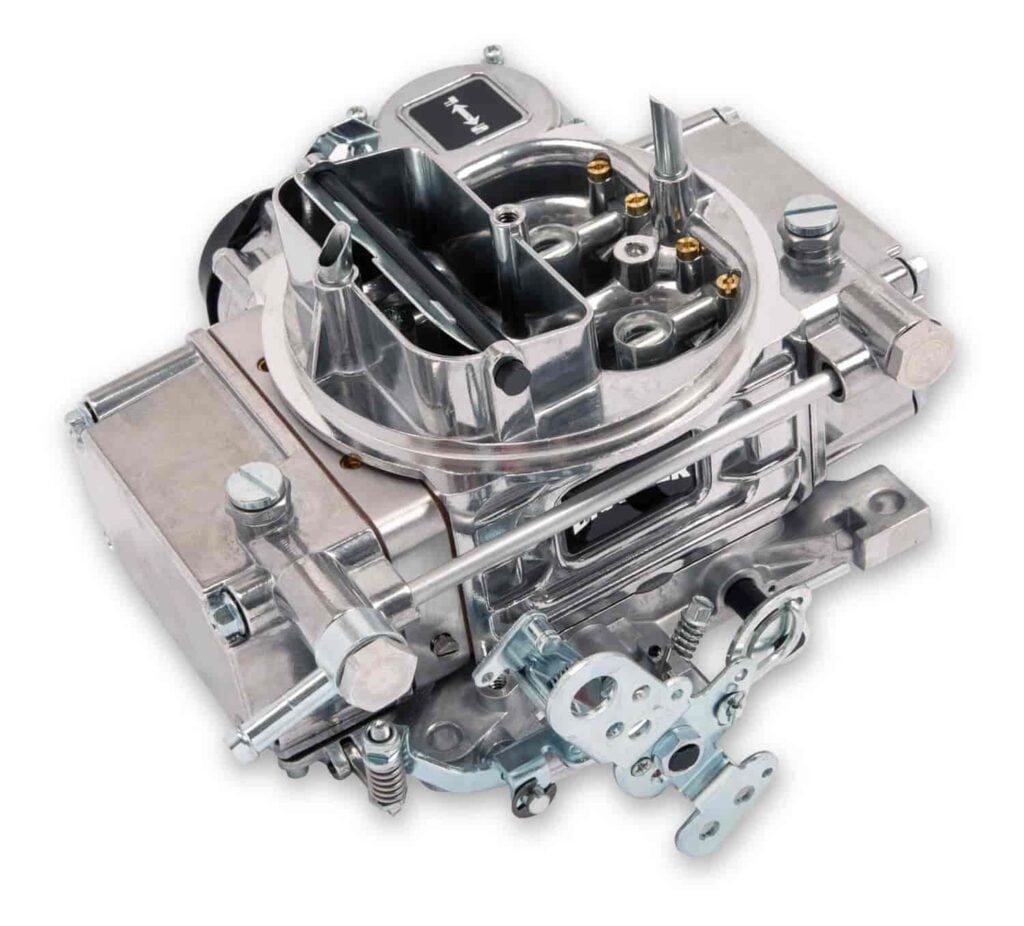
The carburetor is a mechanical component that mixes air and fuel in the proper ratio before delivering it to the engine. It relies on the venturi effect — a pressure drop created as air passes through a narrowing tube — to draw fuel from a float bowl. Jets and valves then control the flow of fuel into the airstream.
Carburetors use a choke valve to enrich the fuel mixture for cold starts and a throttle valve connected to the gas pedal to control airflow. The fuel mixture then flows into the intake manifold and onward to the cylinders.
Though they’ve largely been replaced by fuel injection in modern vehicles, carburetors remain popular in classic cars, hot rods, and race applications due to their simplicity and strong performance at wide-open throttle.
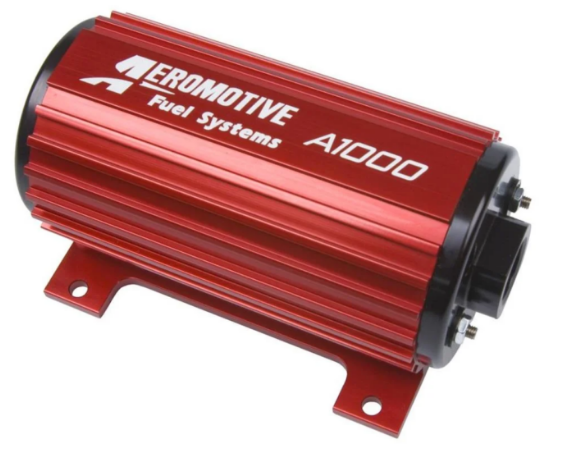
Fuel injection is a more modern, electronically controlled system that delivers precise amounts of fuel directly into the intake manifold or combustion chamber. Fuel is pressurized by a pump and sprayed through injectors, which are controlled by the engine's ECU (electronic control unit).
There are two main types of fuel injection:
The ECU uses sensors to monitor throttle position, engine load, temperature, and air intake, adjusting the fuel injection in real time to optimize performance, efficiency, and emissions.
Sign up now to join the JEGS email newsletter and be the first to learn about new products, special deals and e-mail only offers!
Advantages:
Disadvantages:
Advantages:
Disadvantages:
For most drivers, fuel injection is the better choice. It offers superior drivability, improved fuel economy, and the reliability you want in daily driving. It also makes cold starts, altitude changes, and emissions compliance much easier.
However, carburetors still have their place. If you own a classic muscle car, want a simple race setup, or need maximum fuel flow for high-horsepower builds, a properly tuned carburetor still gets the job done.
Founded in 1960 by Jeg Coughlin, JEGS has become the go-to place for a wide array of performance parts. A family-owned business, JEGS maintains a physical store in Columbus, Ohio, and a comprehensive website for placing orders online. Talk to the friendly experts at JEGS and they will be glad to hook you up with whatever you require.

I have a 1977 P30 Chevy step van with a 350 engine and caburator. Im thinking of swithing to fuel injection for reliabilty, thoughts and advice appreciated?
Thanks

Carl, switching your 1977 P30 350 from a carburetor to fuel injection can definitely improve reliability and drivability, especially for a vehicle like a step van that may see regular use and varying conditions. A properly set up EFI system will give you easier cold starts, better throttle response, and more consistent performance in different temperatures and elevations compared to a carb. That said, it is not a small change. You will need to add a high pressure fuel system with an electric pump, proper fuel lines, a return line in most cases, wiring, sensors, and an ECU to control everything. For a retrofit on a small block Chevy, many people go with throttle body style EFI systems because they are simpler to install and bolt in place of a carb. Brands like FiTech Go EFI and Holley Sniper EFI are commonly used for this type of setup and are designed to be user friendly while still offering good reliability. If your current carburetor is in good condition and tuned well, it can still be very dependable, but EFI does reduce the need for periodic adjustment and is generally more forgiving for daily use. The decision usually comes down to how much you want to invest in the conversion versus maintaining what you already have. If you would like to go over your fuel system layout and what it would take to convert your van the right way, give us a call at 1-800-345-4545 and speak with a Tech Specialist and we will be glad to help.

hi
i have 1989 suzuki vitara that has a 1.6 liter engine with carburetor and i want to use it daily do you recommend changing the carb system with injectors?
Yashar, if your 1989 Suzuki Vitara with the 1.6L carbureted engine is running well now, I would not automatically recommend converting it to fuel injection just for daily driving. A properly tuned carburetor can be very reliable and simple to maintain, especially on a light vehicle like a Vitara. Converting from carburetor to electronic fuel injection is possible, but it is not a simple bolt on swap. It usually requires an intake manifold compatible with injectors or a throttle body injection system, a high pressure electric fuel pump, return style fuel system, wiring, sensors, and an engine control unit. By the time you factor in parts and time, it becomes a fairly involved project. Aftermarket systems from brands like FiTech Go EFI or Holley Sniper EFI are popular for retrofitting older engines, but you still need to make sure the system is compatible with your engine configuration and fuel system layout. For a daily driver, the real benefit of fuel injection is easier cold starts, more consistent drivability in changing temperatures, and less need for periodic adjustment. That said, if your carb is in good shape and properly tuned, it can serve you well for regular use with far less cost and complexity. If you want a more exact recommendation, it would help to know whether your engine is completely stock and what condition the current carb and fuel system are in. If you would like to talk through your options in more detail, give us a call at 1-800-345-4545 and speak with a Tech Specialist and we will be glad to help.

I have a 1996 Dodge ram 1500 with a 5.9 throttle body fuel injection, I’m wanting to swap to just a basic carb and intake setup, what do you recommend and the cost, I’m trying to not rob the bank,( also it blew the head gasket how much for a complete head gasket set.?
Hi Gene,
Thanks for your question. Swapping your 1996 Dodge Ram 1500 5.9L Magnum from throttle body fuel injection to a basic carburetor and intake setup is definitely possible, especially for a project truck or a non-emissions-regulated build. The most straightforward approach would be to use a dual-plane intake manifold designed for the Magnum-style heads and a 4-barrel carburetor, such as a 600 to 650 CFM vacuum secondary model. Edelbrock offers intake manifolds that will fit, and JEGS carries budget-friendly carburetors that perform well for daily use or light performance.
You will also need a carb-compatible distributor since your current setup is computer-controlled. A stand-alone ignition control box like the MSD 6AL or a complete ready-to-run distributor can replace the factory computer’s role in spark timing. A throttle and kickdown linkage bracket may also be required depending on your transmission.
As for cost, a basic carb and intake setup typically ranges from $600 to $900 depending on brand and features. If you need a new distributor and ignition box, that could add another $300 to $500 depending on what you choose.
Regarding your blown head gasket, JEGS offers complete head gasket sets from Fel-Pro and other trusted brands for your 5.9 Magnum, usually priced between $90 and $160 depending on whether you want standard or premium gaskets.
If you need additional help selecting the right intake, carburetor, or gasket set, contact us at 1-800-345-4545 and speak to a JEGS tech support specialist. We’ll make sure you get the best parts for your build without overspending.






Leave a Reply