


 Order Status & Returns
 Gift Cards
 Help Center
 1-800-345-4545

 Vehicle Info Needed
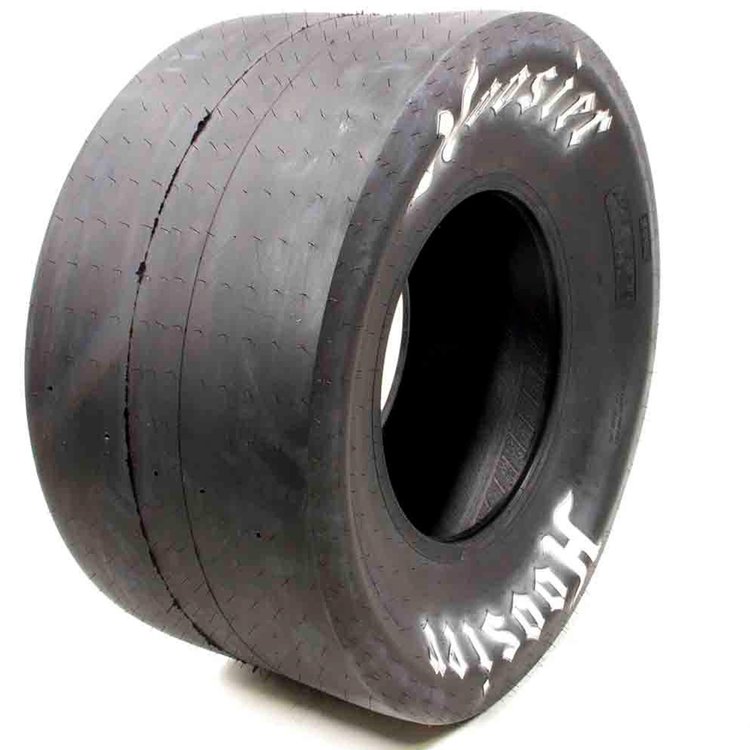
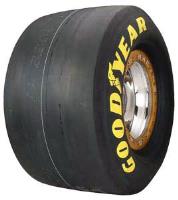
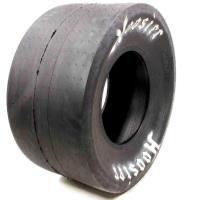
18240D05 Drag Slick Tire 31 x 14-15
 Ships Tomorrow
 Lowest Price Guarantee
Hoosier 18240D05 Rear Drag Slick Tire Specs:
- Tire Size: 31 x 14-15
- Tread Width: 14'
- Approximate Diameter: 31.200'
- Circle: 98'
- Recommended Rim: 12 to 14'
- Measured Rim: 12'
- Section Width: 16.500'
- Compound: D05
Hoosier 18240D05 Rear Drag Slick Tire Features:
- Hoosier solid white lettering on sidewalls
- Superior compounding and construction
- Consistent, fast, and reliable
- Performance gains and quicker reactions
- Improves handling on the track
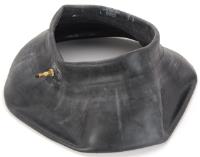
- Recommended Tube: 522-288610015
Warning:
- DOT-labeled Hoosier Racing Tires meet Department of Transportation requirements for marking and performance only and are NOT INTENDED FOR HIGHWAY USE. It is unsafe to operate any Hoosier Racing Tire including DOT tires on public roads. The prohibited use of Hoosier Racing Tires on public roadways may result in loss of traction, unexpected loss of vehicle control, or sudden loss of tire pressure, resulting in a vehicle crash and possible SERIOUS PERSONAL INJURY OR DEATH.
FAQ:
What is the difference between slick and drag tires?
- Slick tires, such as the Hoosier 31x14, are designed with a smooth tread pattern ideal for drag racing, offering maximum traction for straight-line acceleration. Drag tires, including 14-inch drag radials and 14-inch drag slicks, combine street tire features with drag performance, ensuring traction and durability.
What happened to Hoosier tire?
- Hoosier Tire remains a leading manufacturer in the racing tire industry. They continue to innovate and produce high-performance tires like the Hoosier D05 compound, meeting the demands of various racing disciplines.
How do you read drag slick sizes?
- Reading drag slick sizes involves understanding the measurement. For example, 31x14 signifies a tire diameter of 31 inches and a width of 14 inches, critical for selecting the right size for your drag racing needs.
Are Hoosier tires illegal?
- Hoosier tires, including drag slicks and drag radials, are designed specifically for racing purposes and may not be legal for street use in certain jurisdictions. It's essential to verify local regulations regarding tire legality for public road usage.
Top-Performance Drag Slicks
Hoosier tires are well-known across the country for their success in drag racing. Hoosier drag racing slicks are run by a good percentage of NHRA and IHRA sportsman racers and the bias-ply and radial construction tires are offered in multiple compounds with tread widths ranging from 8 to 17 inches.
Proper Tire Rollout Measurement Instructions
Show More
For decades, Hoosier has specialized in tires for the dragstrip, and they’ve developed a solid track record for their success in drag racing. Hoosier drag slicks are a preferred choice for a majority of IHRA and NHRA drivers, and they offer both bias-ply and radial designs in a variety of rubber compounds for different traction properties.
Performance Benefits & Key Features
Hoosier’s D06 compound is a softer formulation for poorer track conditions, lower-power and lower torque vehicles, and vehicles that are light to medium curb weight. The C11 compound is designed for pro-grade competition, with fast heat-up and superior traction and stability. The D07 formulation is a bit harder and firmer for longer wear and is a common all-around choice for NHRA and IHRA events.The softer C06 compound performs well on dry tracks, with up to 150 passes in the wear cycle despite the soft formulation. Unlike other softer compounds with wrinkle-wall sidewalls, the C07 is more durable and stiffer, for consistent high-speed performance on poorly prepared surfaces.
Fitment, Compatibility & Applications
Hoosier drag slicks are not DOT approved for street use, and are limited to competition only. Before installing Hoosier tires, it’s important to measure tire roll-out and circumference to make sure the two tires are within ½” of each other. Proper match of roll-out will ensure the vehicle tracks straight and consistently down the strip. This is a handy resource for measuring roll-out.
Like any other tire, Hoosier drag slicks should be mounted using a tire mounting machine or tire changer and should be balanced properly before installation.
Items You Need
JEGS
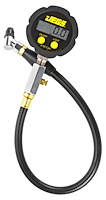
Pro Digital Tire Gauge 18" Hose with 45° Swivel Air Chuck
Part Number : 555-65035
JEGS
Part Number : 555-65035
ITEM YOU MAY ALSO CONSIDER
EASY KITS
HOOSIER
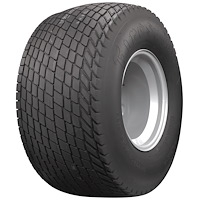
14" Tread Width Drag Slick and Tube Kit 31 x 14-15 Drag Slicks
Part Number : 522-18240D05K
HOOSIER
Part Number : 522-18240D05K